WRITE ACCESS TO REALITY
The Quarter the Ledger Lost Its Innocence, and the Three Words That Now Govern Every Tokenized Dollar

Shanaka Anslem Perera
August 10, 2026
Between April 22 and July 15, 2026, the two possible futures of tokenized capital both arrived, eighty-four days apart, in two American rooms that could not have been less alike.
The first room was a courtroom in Detroit. On April 22 a Wayne County judge approved an agreement placing a court-appointed fiduciary named Charles Bullock in operational control of roughly 700 rental houses. He can repair them. He can sell them. He can demolish the dangerous ones and decide who gets evicted. The people who believed they owned those houses, tens of thousands of investors across dozens of countries who had purchased blockchain tokens sold against the portfolio, did not get a vote. They did not get standing. Most of them learned the details from journalists. The escrow account funding repairs across the portfolio held just under 640,000 dollars, which works out to about 914 dollars per house, roughly the price of one water heater in a city where winter is not a hypothesis.
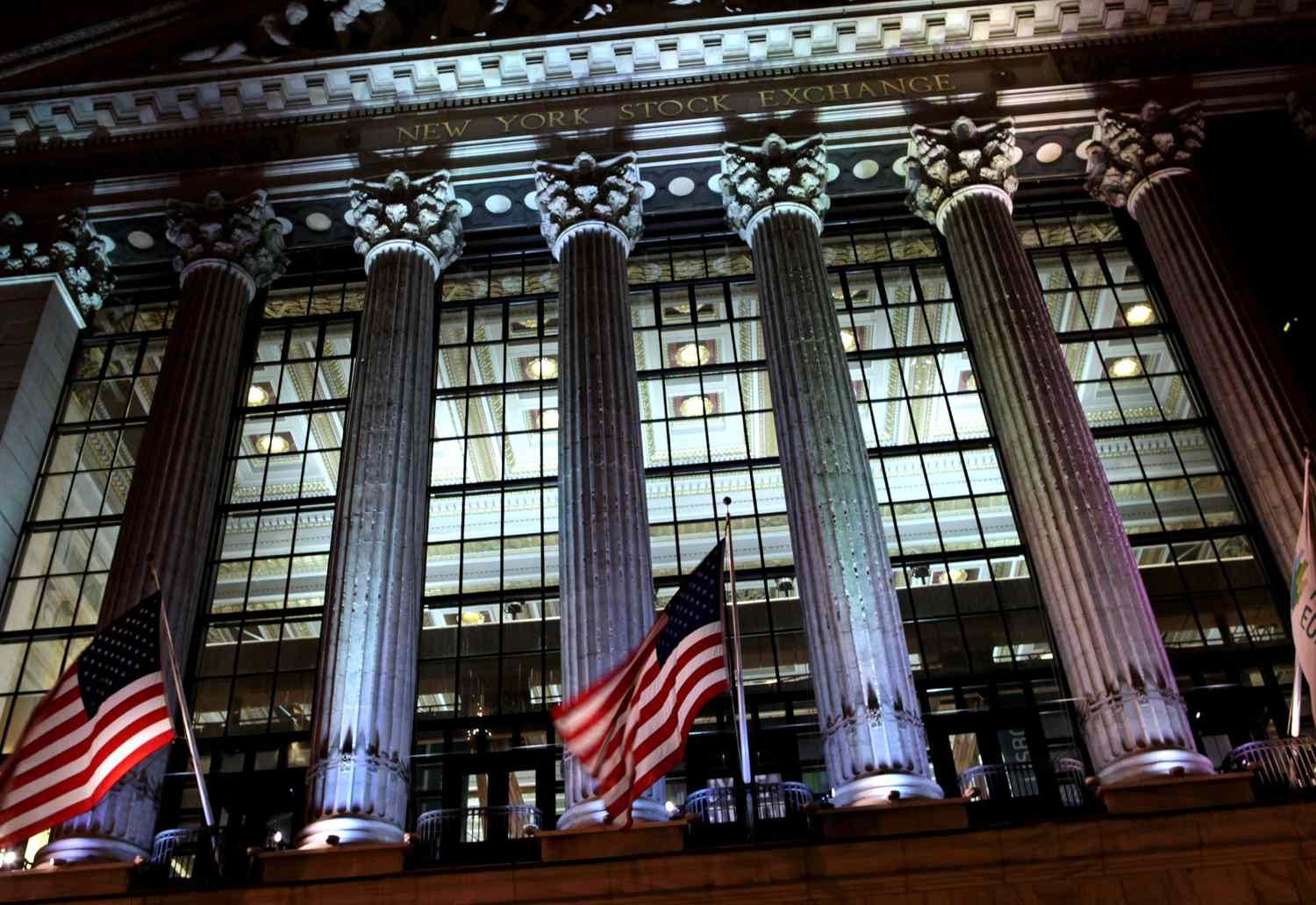
The second room was wherever the Depository Trust and Clearing Corporation counts as being. On July 15 it announced that more than thirty of the most powerful financial institutions on earth, BlackRock, JPMorgan, Goldman Sachs, Vanguard, State Street, Citadel Securities, Nasdaq and the New York Stock Exchange among them, had executed real production trades in tokenized form against assets held inside a depository that custodies more than 114 trillion dollars and reportedly processed some 4.7 quadrillion dollars of transactions last year. The depository’s own description of the tokens was one sentence long and it was the only sentence that mattered. They carry the same rights as the assets held in traditional form.
The temptation, and half the internet surrendered to it within a week, is to call those eighty-four days an experiment with a winner. The record does not permit the reading. The two cases differ on more than a dozen dimensions at once, asset class, jurisdiction, operator, capitalization, legal wrapper, investor base, servicing burden, and the presence or absence of a city with the power to condemn a building. And the Detroit collapse itself is causally contested on the record in three directions: the co-founder blamed a breakdown in relations with the fiduciary, the fiduciary disputed that account in writing, and the company’s counsel argued the reverse causation entirely, that the city’s own remedy, barring rent collection for months, destroyed the cash flow that would have funded compliance. Nothing in this article treats Detroit as proof of what caused the failure. Everything in this article treats Detroit as proof of something far more valuable: what the failure revealed about where authority actually lives.
Because one fact survives every objection. Throughout the entire Detroit episode, no failure of the token ledger was ever reported. Not one entry falsified, not one token reversed or lost. The ledger stayed perfectly accurate while control of the physical assets moved to a fiduciary the token holders had never met. The ledger was never wrong. It was never senior either. And the eighty-four days between that courtroom and that depository announcement turn out to be the cleanest available demonstration of the law this article exists to establish, a law that was then written, quietly and almost without press coverage, into American bank capital guidance, into securities exchange rulebooks, into the commercial code of thirty-three states, and into the operating design of the European Central Bank, all inside a single stretch of 2026 that this article is the first to assemble into one picture.
The law compresses into three words. Authority is legally constituted. A token acquires no legal status, no priority, no capital treatment, and no liquidity by resembling something valuable. It acquires them the way everything in finance has always acquired them, through explicit legal constitution, and the entire 38 billion dollar tokenized asset market now sorts, with almost embarrassing precision, by that one variable and its consequences.
What follows below is the complete architecture. The three principles that now govern every tokenized claim, each anchored to a statute, a regulator’s text, or a court record rather than to a white paper. The ninety-day stretch in which five American regulatory events rewrote admission for tokenized securities while almost nobody was watching. The statute, live in thirty-three states, that severs clean title to a token from clean title to the thing behind it, in language so exact it reads like this article’s thesis drafted by a legislature. The discovery, verified twice over at primary sources, that the instant liquidity now advertised across tokenized funds is not created by the technology at all but borrowed, hour by hour, from balance sheets whose capacity, fees, and stress behavior are almost entirely undisclosed, including one facility whose launch partner is the very issuer whose product it makes look liquid. The single question that separates tokenization projects that compound value from projects that quietly pay forever to synchronize two versions of the truth. A dated catalyst calendar running from this October through 2029, with calibrated probabilities. And the twelve questions that should now precede every allocation memo touching this market, because after the quarter you are about to read about, not asking them is no longer a defensible position.
The free preview ends here. The machine, the statute, the warehouse, and the calendar are below.
